

Turning point in the European Parliament's ENVI Committee
- Details
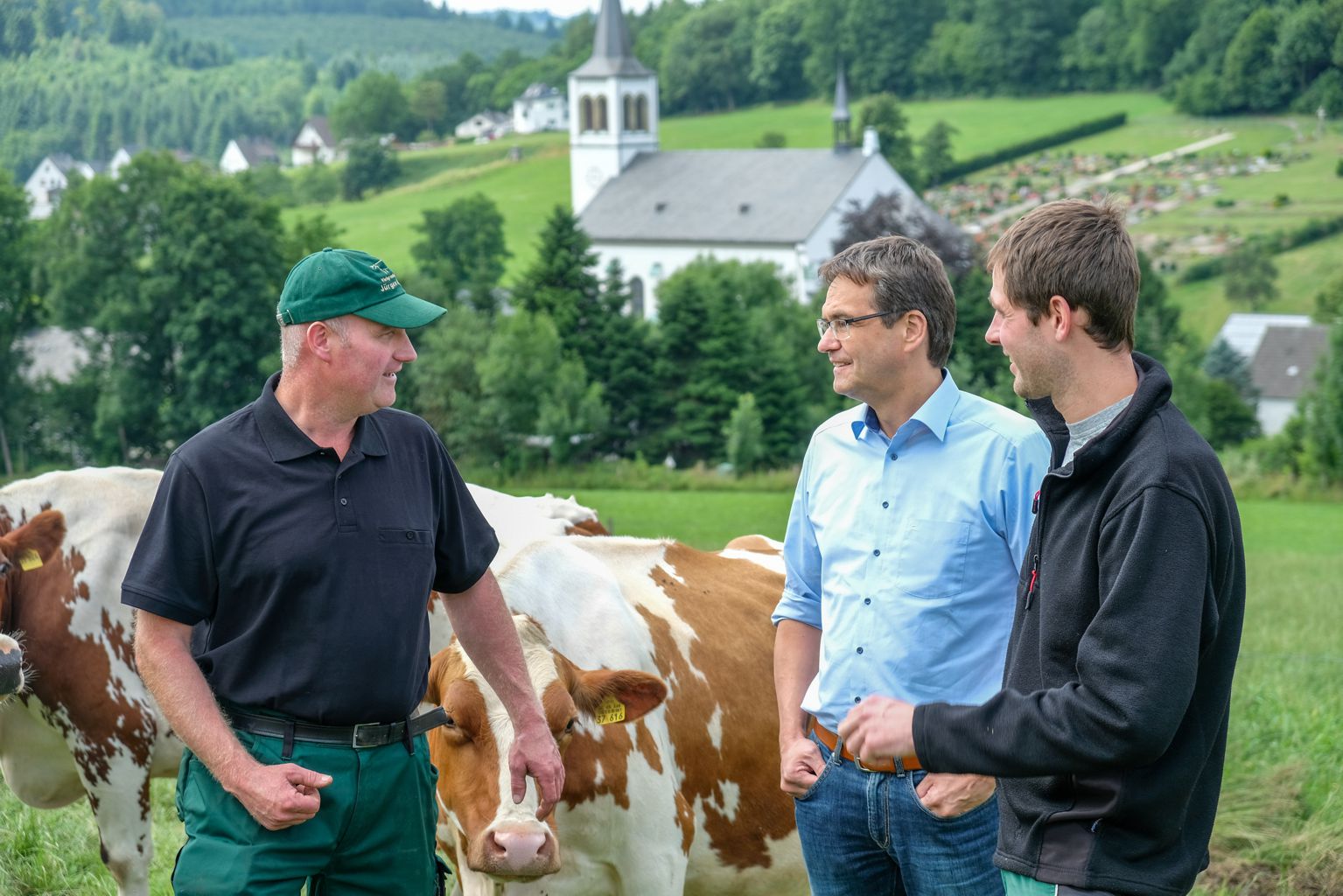
Majority weakens European Commission proposal on industrial emissions
Peter Liese: We need to focus on decarbonization / You cannot solve all environmental problems at once
"This is a turning point in the European Parliament's ENVI Committee. For the first time, the ENVI Committee has substantially weakened a European Commission proposal in all relevant points," commented the environmental policy spokesperson of the largest group in the European Parliament (EPP-Christian Democrats), Peter Liese, regarding the vote on the Commission's proposal on the Industrial Emissions Directive.
With the Industrial Emissions Directive, industrial plants' pollutants such as nitrogen oxides and methane have been controlled and reduced for many years. The Commission had now proposed to intensify this legislation. Specifically, the new introduction of stricter farming requirements was met with criticism. The Commission had proposed that the provisions for agriculture should now apply from a fixed number of 150 animals instead of being dependent on the farm type. The ENVI Committee has now passed by a majority the compromise motion for a more flexible upper limit for livestock units (LSU) of 300 cattle, 200 pigs and poultry, and an exemption for extensive livestock farming.
The requirements for the industry have also been mitigated. For example, the strict reversal of the burden of proof, which the Commission proposal provided for, has now been dropped. In addition, the preparation of indicative transformation plans will now no longer be obligatory for each individual industrial plant but will only take place at the company level. This significantly reduces the bureaucratic burden. In addition, a fast-track procedure for approving emerging technologies is now provided.
Read more: Turning point in the European Parliament's ENVI Committee
Revision of EU pharmaceutical legislation
- Details
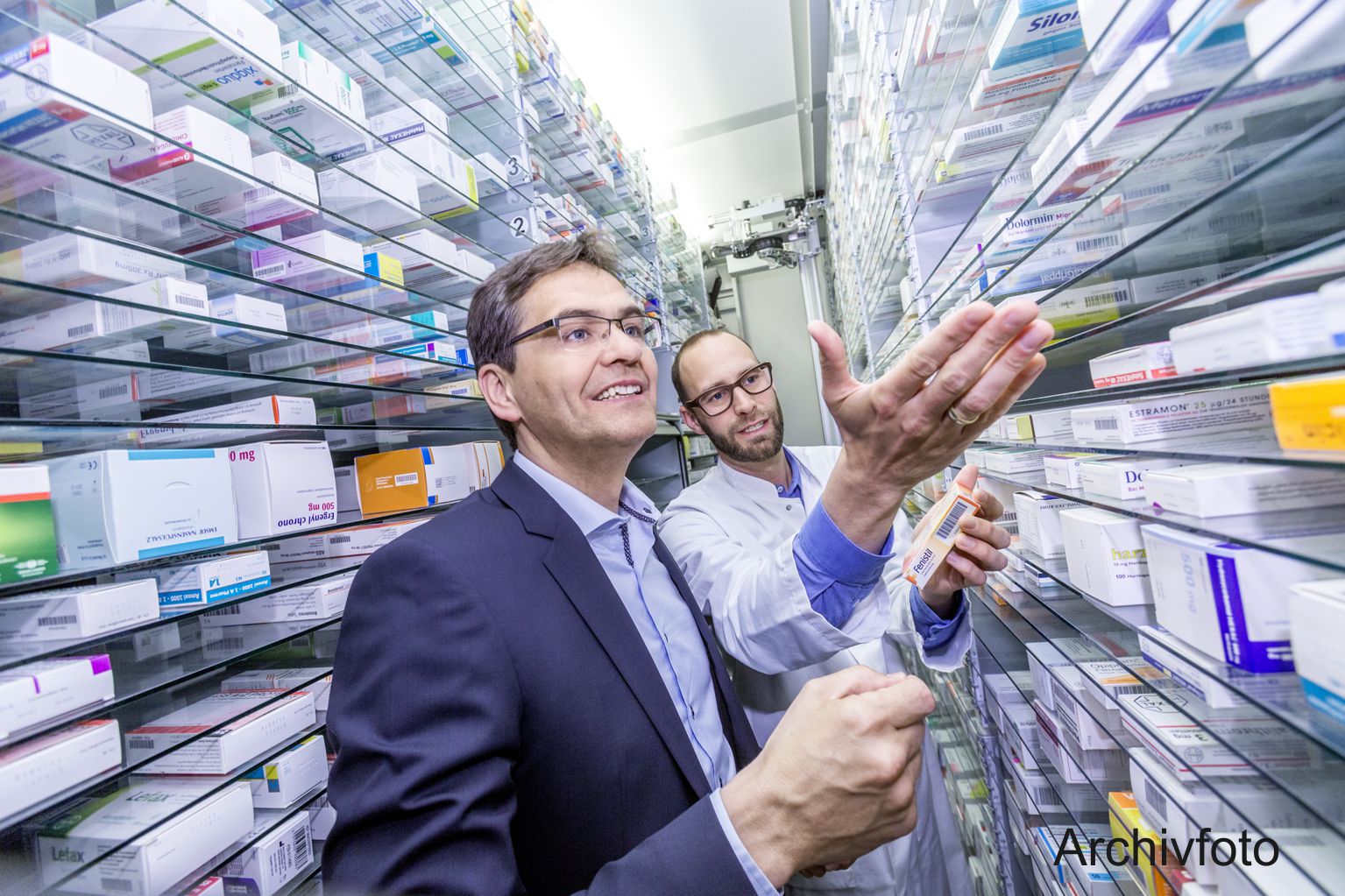
Commission proposal must address the fight against antibiotic resistance, shortage of medicines and attend to patients we could not help so far / Targeted innovations are a key to the solution
"The Commission's proposal must address three dramatic problems. First, the dramatic spread of antibiotic resistance; second, the dramatic shortage of medicines; and third, the problems of Unmet Medical Needs regarding medicines for patients we have so far been unable to help. In this context, an innovation-friendly regulation is indispensable," commented the health policy spokesperson of the largest group in the European Parliament (EPP-Christian Democrats), Dr. Peter Liese, on the occasion of the presentation of the pharmaceutical package of the Commission.
"On Wednesday, the Commission wants to propose the largest revision of European pharmaceutical legislation in 20 years. The existing rules are combined into a regulation and a directive. An important point here is the fight against antibiotic resistance. Every year, 33000 people die with increasing tendency because antibiotics lose their effect. Therefore, we need stricter rules on the use of antibiotics. Ideally, therapy with antibiotics should only be carried out after a diagnostic. However, to address the problems, we absolutely need innovation. For the industry, developing new antibiotics is not profitable due to high costs and low saleability as a consequence of the strict rules for the prescription of antibiotics. Hence, the Commission has considered issuing a so-called voucher, meaning that companies that develop new antibiotics receive incentives for other drugs in return. The proposal has been criticized, particularly by health insurance representatives and member states, claiming the system is too expensive. But so far, no one has proposed a better system, and yet we should never forget that we talk about saving the lives of 33,000 people annually," said the MEP and physician.
Commission's proposal is a good basis for solving the three challenges, but there is still a lot of work to be done
- Details
Fighting antibiotic resistance / More funding for real innovation such as mRNA-technology / Tackling drug shortages
“We need to fight the silent pandemic of antibiotic resistance, make a stronger effort in drug regulation to support real innovations such as mRNA-technologies, and very urgently address the shortage of medicines. The European Commission’s proposal addresses all three points. Some of the concrete wordings are excellent, others, however, are just a basis for further work in the Council and the European Parliament,” said health politician and physician Peter Liese at the occasion of the presentation of the Commission’s report on the revision of the pharmaceutical revision. On Wednesday, the European Commission presented the biggest reform in 20 years. Five existing schemes are to be merged into two, a regulation and a directive.
Biggest climate law of all times now finally adopted
- Details

Council approves with qualified majority
Most cost-effective way to protect the climate: everyone with a good idea benefits / Greater attention to social criteria when using funds
The biggest climate law of all times has finally been adopted. After the successful vote in the European Parliament last Tuesday with a majority of over 70%, also the Member States voted in favour today with a qualified majority by 23 Member States (Poland and Hungary against, Belgium and Bulgaria abstained). Peter Liese, environment spokesperson of the largest group in the European Parliament (EPP, Christian Democrats), said: “Emissions trading is the most cost-effective way to protect our climate. The extreme weather events such as droughts, floods and storms show that we urgently need to act. At the same time, we have specifically made sure that jobs in energy-intensive industries are protected and that low-income groups of the population are not left behind in the transition."
Read more: Biggest climate law of all times now finally adopted