General Court of the European Union partially upholds EU Commission decisions on vaccine contracts
- Details
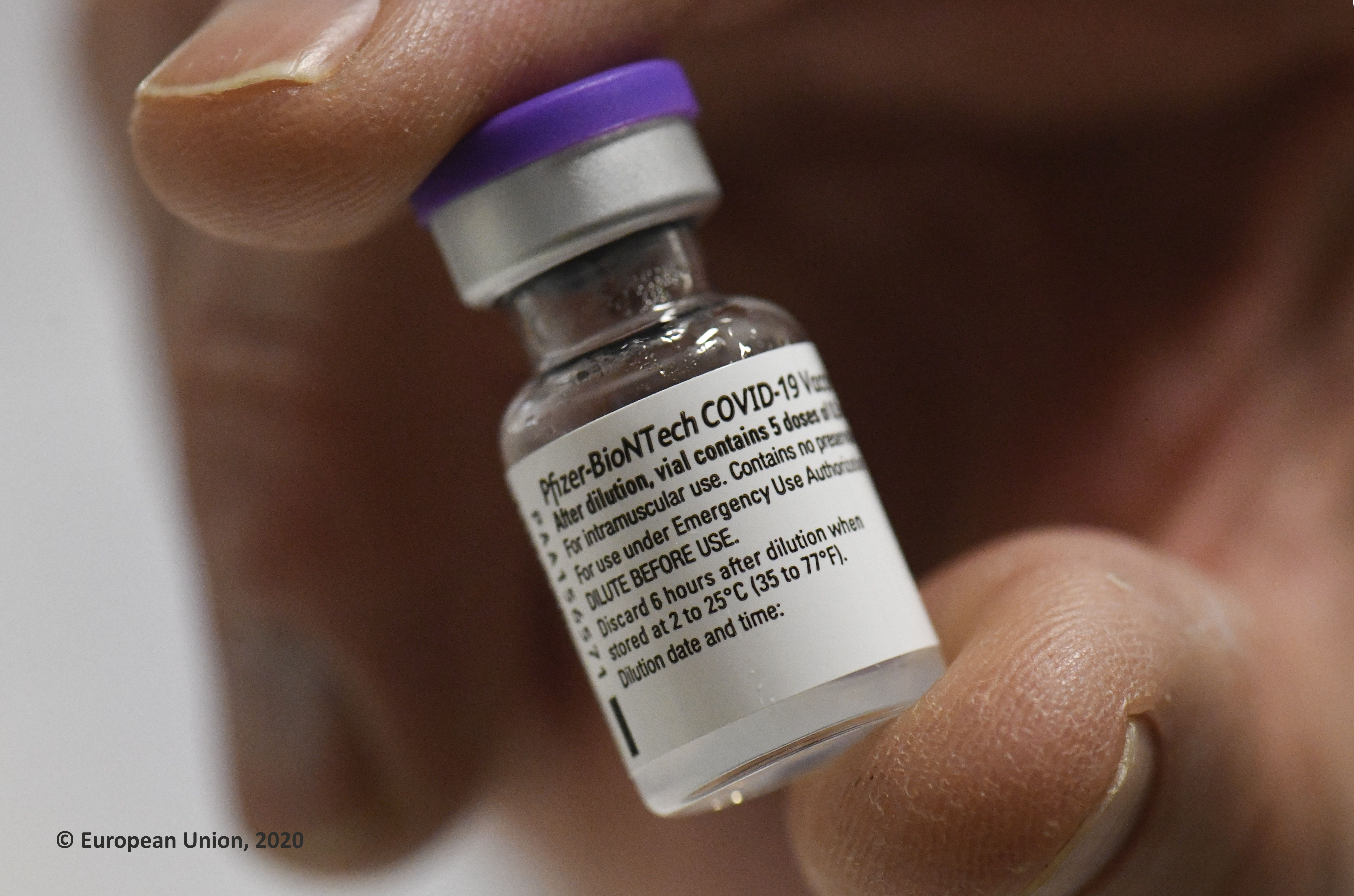
But some points should have been better explained / Blackening of information was done at the request of companies, as need for vaccines was immense / Overall the joint vaccine procurement was a success
The General Court of the European Union (formerly known as the Court of First Instance) has largely upheld the European Commission's decisions in matters of vaccine procurement. Many points, which were legally contested by individual Members of the European Parliament and a group of vaccine opponents from France, were deemed unobjectionable by the court. However, the court also noted that the Commission should have better explained why certain passages were blackened.
“The vaccine procurement by the European Commission was, overall, a great success. It is unimaginable what would have happened if various European countries had vaccines while others did not. It was also important that the European Commission was actively engaged throughout the pandemic, especially in the spring of 2021, to quickly secure more vaccines,” explained Peter Liese, the health policy spokesperson for the largest group in the European Parliament (EPP Christian Democrats).
No separate full Committee on Health - ENVI Committee of the European Parliament stays with its current responsibilities
- Details
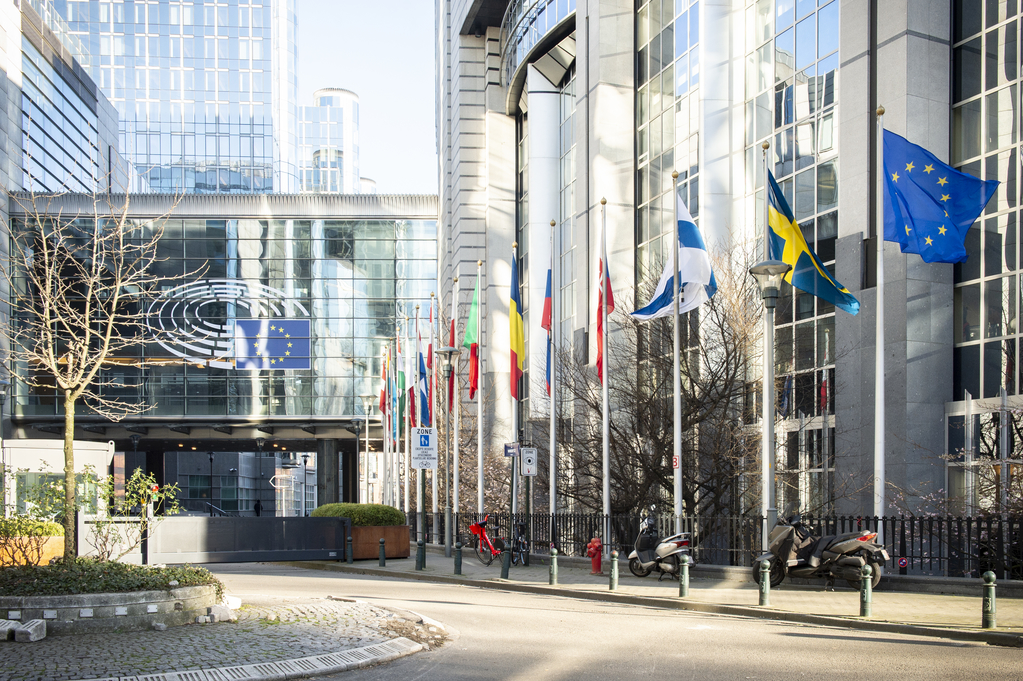
Personally happy because I like to work on environment and health, but workload for staff must be reduced / The Commission should not repeat the pace and the amount of proposals on environment / Whoever becomes Chair of ENVI Committee should put more emphasis on health
“Personally, I am very happy about this decision, because I like to work on environment and health and feel obliged to deliver on my promises from the campaign, which would have been a bit more complicated with two separate committees. On the other hand, I think something has to change compared to the last parliament. At least 25% of all co-decision files landed in ENVI. This is challenging, in particular for the staff. That is why we need fewer proposals from the European Commission. This is necessary anyhow, because citizens, particularly those working in industry and agriculture, are overwhelmed by too many proposals. We also need a Chair of ENVI who puts enough priority on health and does not only look at environmental issues. A split could have been a good solution, but if the two above-mentioned conditions are met, I am also happy”, said the health policy spokesperson of the largest party in the European Parliament (EPP Christian Democrats), Peter Liese.
Revision of the Medical Devices Regulation and Critical Medicine Act to combat drug shortages absolute priorities of the EPP for the next Mandate
- Details

Cardiovascular Health Action Plan and Mental Health Action Plan should follow a very successful Cancer Plan
“The prompt revision of the Medical Device Regulation and the adoption of a Critical Medicine Act to fight and overcome the shortage of critical medicines are top priorities of the biggest group in the European Parliament (EPP Christian Democrats) for the next parliamentary term,” this has been announced in a video conference for journalists by the health spokesperson of the group, Dr. Peter Liese. To prepare the discussion with other groups as well as the talks with the Commission, the EPP discussed the priorities in their closed meeting last week. “The Medical Device Regulation was well-intended, but in some areas, it creates more harm than good. In particular, devices for children that suffer from heart diseases, for example, are really in danger because the bureaucratic burden is so high that companies cannot afford to produce those devices that are produced only in a few numbers.” Liese recently published a comprehensive proposal for the revision that intends not to weaken the protection and the safety but the red tape.
Christian Democrats want to develop the Green Deal into a Green Growth Deal
- Details
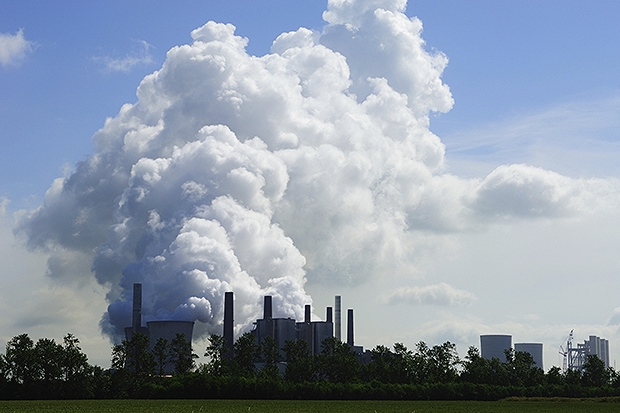
Peter Liese: Commitment to emissions trading as its most important basis / European Commission to take the lead in negotiating international environmental agreements in future / Target of only allowing climate-neutral cars from 2035 remains, but should be technology-neutral, i.e. can also be achieved with e-fuels, f.ex. / Include negative emissions in emissions trading / More financial support for citizens and companies in the transformation process
The largest political group in the European Parliament (EPP, Christian Democrats) wants to develop the European Union's Green Deal into a Green Growth Deal. This is a key decision taken by the group at a closed meeting in preparation for the new legislative period. The group is committed to the European Union's climate targets for 2030 and the climate neutrality target for 2050, but wants to achieve these targets with less bureaucracy and greater dialogue with all stakeholders. Openness to technology is also important to the group. After intensive discussions, it was made clear in the paper that the goal of only allowing climate-neutral cars to be registered as of 2035 should remain, but that the existing ban on the combustion engine should be replaced by a technology-neutral approach, so that climate-neutral fuels such as e-fuels should also be permitted and new cars that only run on these fuels can also be registered after 2035.
Read more: Christian Democrats want to develop the Green Deal into a Green Growth Deal